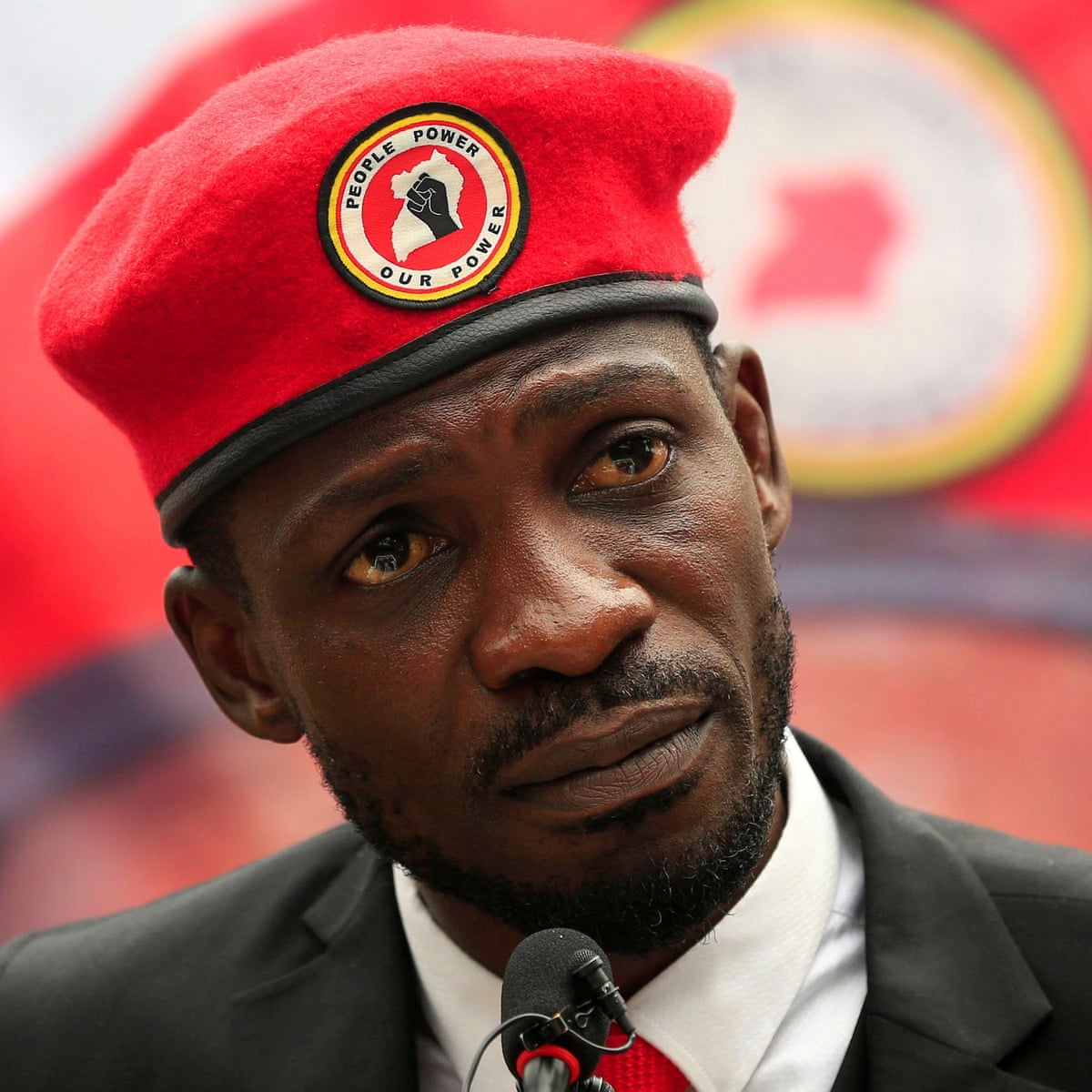
After the Election: Bobi Wine’s Fourth Consecutive Defeat, and Life Underground
- CommunityNewsUncategorized
- August 24, 2026
- 22
By Tadeo Kulubya
Robert Kyagulanyi cast his ballot on January 15, 2026, for the third time challenging Yoweri Museveni for Uganda’s presidency. Within hours, his party said he had effectively vanished into military custody. The National Unity Platform said Wine had been placed under house arrest after voting, describing an ongoing military siege at his residence that restricted movement in and out of his home. Police offered a striking justification: he was being “protected,” officers said, because he is “not an ordinary citizen.”
Then the story darkened. NUP said an army helicopter had landed in his compound and forcibly took him away to an unknown destination — a claim police denied — while Wine said in a post that he had managed to flee the raid, describing the night at his home as “very difficult.” By the time the count was finished, at least seven people had been killed overnight in election-related violence, and the government had partially restored internet access days after cutting it during the vote. Days later, police detained a key ally of Wine’s.
The aftermath followed a pattern grimly familiar to Ugandans who lived through 2021: Wine said he remained in hiding, alleging that Muhoozi was still looking for him and issuing threats to harm him, and that thousands of NUP supporters had been violently arrested and detained, with several killed. He said his wife, Barbie Kyagulanyi, was still recovering from the trauma of an overnight raid and assault on their home.
The repression didn’t stop once the results were certified. Weeks later, five police officers who had been assigned to guard Wine during the campaign were themselves arrested. Wine wrote that they had been interrogated about NUP’s sources of funding, who he was meeting, and why they had protected him from what he described as violent attacks by other police and military units.
Zoom out, and the shape of the problem is structural, not incidental. As in the 2021 election — when the opposition faced thousands of abductions and dozens of confirmed fatalities, with some still unaccounted for — the 2026 process was again marked by intimidation and violence against the opposition, in a country where an estimated 33 million of Uganda’s 46 million people are under 30, including over 10 million voters, and where unemployment and corruption consistently top voter concerns. Uganda’s paradox is now stark: a population overwhelmingly young and impatient for change, facing a security apparatus that has demonstrated — from Wine’s compound to Anita Among’s driveway to NTV’s control room — that it answers to one family, and treats every other center of power, elected or otherwise, as provisional.